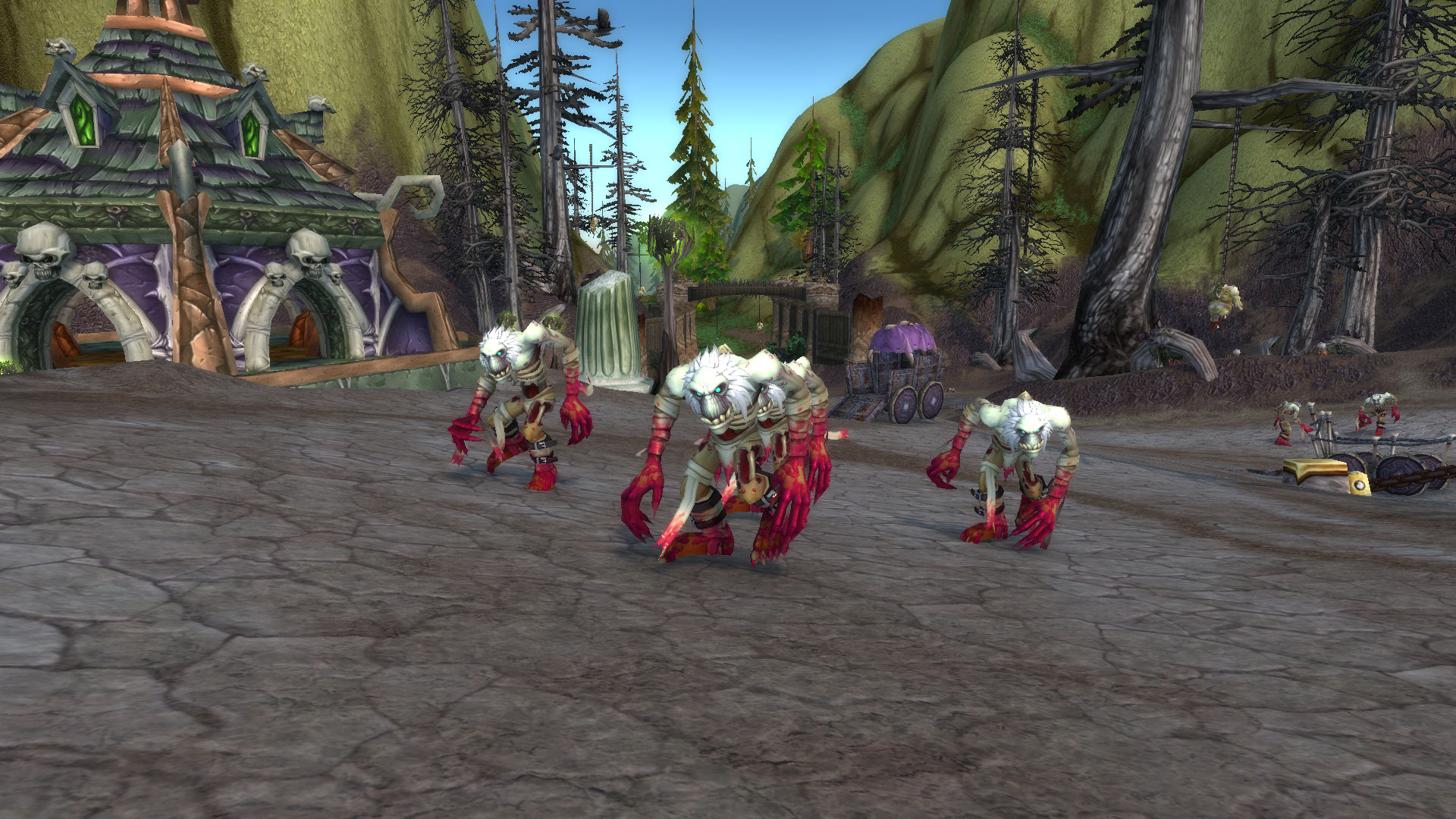
The Battle for Mount Hyjal is a pivotal raid encounter in World of Warcraft: The Burning Crusade, where players must defend against Archimonde’s relentless waves. This guide delves into the strategic management of both the Alliance and Horde camps, emphasizing optimal performance metrics, team coordination, and effective resource allocation. Understanding the mechanics of this encounter is crucial for success, as players face not only Archimonde but also waves of powerful enemies that threaten to overwhelm their defenses.
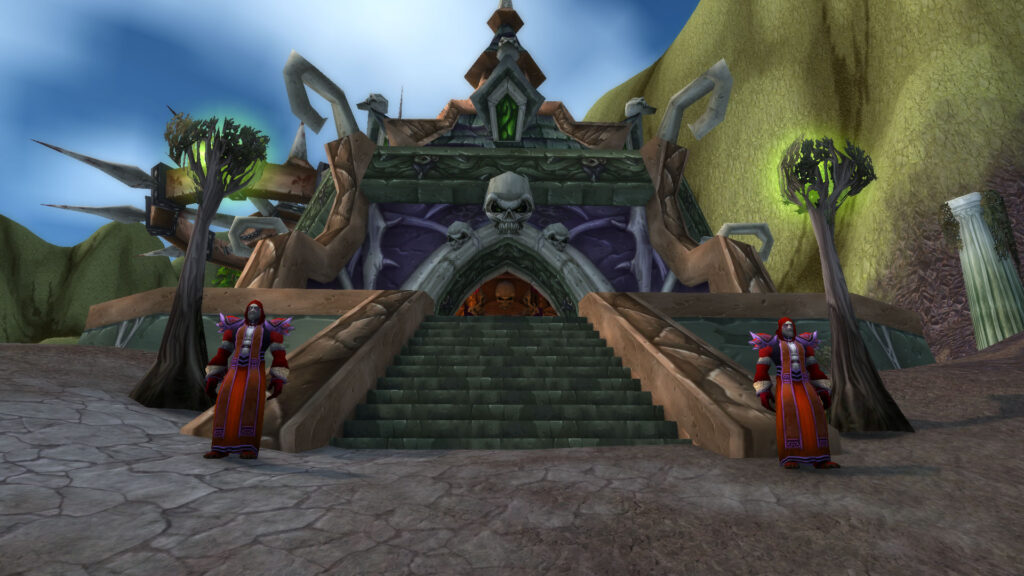
What are the key performance metrics for managing the Alliance and Horde camps?
The key performance metrics include damage dealt, healing output, resource management, and camp defense integrity.
In the Battle for Mount Hyjal, players must monitor various performance metrics to ensure the success of their camps. The following table outlines critical metrics that players should focus on during the encounter, providing a comparative analysis of different roles and their contributions to the overall defense strategy.
| Role | Damage Dealt | Healing Output | Resource Management |
|---|---|---|---|
| Tank | 5000 DPS | 2000 HPS | High |
| Healer | 1000 DPS | 4000 HPS | Medium |
| DPS | 7000 DPS | 500 HPS | Low |
How do the mechanics of Archimonde’s waves work?
Archimonde’s waves consist of multiple enemy types that spawn at intervals, each with unique abilities that challenge players’ coordination and strategy.

During the encounter, players face waves of enemies that include Felguards, Doomguards, and other demonic forces. Each wave increases in difficulty, requiring players to adapt their strategies accordingly. The mechanics involve timed spawns, where players must prioritize targets effectively to prevent overwhelming the camps. Understanding the spawn timers and enemy abilities is crucial for maintaining camp integrity and ensuring that players can focus on Archimonde when he appears.
Specific mechanics include the “Infernal” ability, which targets random players and deals significant area damage, necessitating quick movement and positioning. Additionally, players must be aware of the “Doomfire” mechanic, which creates damaging zones on the ground that can quickly deplete health if players stand in them. The encounter’s success hinges on effective communication and coordination, as players must call out targets and manage their cooldowns efficiently to mitigate damage and maximize their output.
What are the critical steps for successfully defending the camps?
Successfully defending the camps requires precise coordination, effective target prioritization, and optimal resource allocation among players.
To ensure a successful defense, players must follow a structured approach that emphasizes teamwork and strategic execution. First, players should establish clear roles within their groups, ensuring that tanks are positioned to absorb damage while DPS focuses on eliminating key threats. Healers must be strategically placed to maximize their healing output while minimizing movement. This setup allows for a more efficient response to incoming waves and reduces the risk of losing camp integrity.
- Establish clear roles: Assign tanks, DPS, and healers specific positions to maximize efficiency.
- Prioritize targets: Focus on eliminating high-threat enemies first, such as Felguards and Doomguards.
- Manage cooldowns: Coordinate defensive and offensive cooldowns to mitigate damage and maximize damage output during critical phases.
- Communicate effectively: Use voice chat or in-game macros to call out targets and coordinate movements.
What are the advanced strategies for maximizing camp defense?
Advanced strategies involve utilizing terrain, cooldown management, and synergy between classes to enhance overall camp defense.
To maximize camp defense, players should leverage the terrain of Mount Hyjal to create advantageous positions. Tanks can utilize natural barriers to mitigate incoming damage while allowing ranged DPS to operate from a safe distance. Additionally, players should be aware of their class abilities that can synergize effectively; for example, a Paladin’s “Blessing of Sacrifice” can be used to absorb damage for a healer, allowing them to focus on healing others. This strategic use of abilities can significantly enhance the team’s survivability.
Furthermore, players should develop a cooldown rotation that allows for continuous healing and damage mitigation. For instance, coordinating the use of “Pain Suppression” from Priests with “Guardian Spirit” can provide substantial damage reduction during critical moments. Players should also consider the timing of their damage-dealing abilities to coincide with enemy spawn waves, ensuring that they can burst down high-priority targets before they can threaten the camps.
What troubleshooting steps should be taken during the encounter?
During the encounter, players should be prepared to troubleshoot issues such as unexpected deaths, resource depletion, and coordination failures.
Common issues that arise during the Battle for Mount Hyjal include players being caught in “Doomfire” zones or failing to prioritize targets effectively. To address these issues, players should have a plan in place for quick revives and resource management. If a player dies, the team must quickly assess whether to continue the fight or regroup to maintain camp integrity. Additionally, players should monitor their resources closely, ensuring that healers have enough mana to sustain the team through prolonged engagements.
What future trends should players consider for Mount Hyjal strategies?
Future trends in Mount Hyjal strategies will likely focus on class balance, gear optimization, and evolving encounter mechanics.
As the game evolves, players should stay informed about class balance changes that may impact their roles in the encounter. Gear optimization will also play a crucial role, as players should continually assess their equipment to ensure they are maximizing their damage and healing output. Additionally, players should be prepared for potential changes in encounter mechanics that could alter the way they approach the fight, requiring them to adapt their strategies accordingly.
Leave a Reply