As utility tools become more evenly distributed across classes, group composition shifts away from rigid templates toward diverse archetypes.
Success is no longer tied to stacking a narrow set of mandatory classes, but to assembling complementary toolkits that solve encounter demands in different ways.
Utility Solves Problems Damage Cannot
Interrupts, dispels, movement tools, crowd control, and defensive externals often determine whether mechanics are manageable.
Groups value these tools because they reduce risk, smooth execution, and provide recovery options when plans break down.
Multiple Solutions Enable Composition Freedom
When similar problems can be solved by different classes, composition becomes flexible.

One group may rely on control-heavy setups, while another uses mobility or mitigation to achieve the same outcome. This freedom encourages experimentation instead of imitation.
Archetypes Replace Strict Meta Lists
Rather than chasing exact class lists, groups build around archetypes such as control-focused, mobility-driven, or sustain-oriented lineups. Each archetype excels in different scenarios, reinforcing diversity without sacrificing performance.
| Utility Focus | Group Strength | Ideal Scenario |
|---|---|---|
| Crowd control | Threat suppression | Dangerous trash packs |
| Mobility | Fast repositioning | Mechanic-heavy fights |
| Defensive support | Damage smoothing | Sustained pressure |
| Disruption tools | Cast denial | High interrupt demand |
Diversity Increases Group Resilience
Groups with varied utility adapt more easily to unexpected situations. When one tool is unavailable, another can fill the gap.
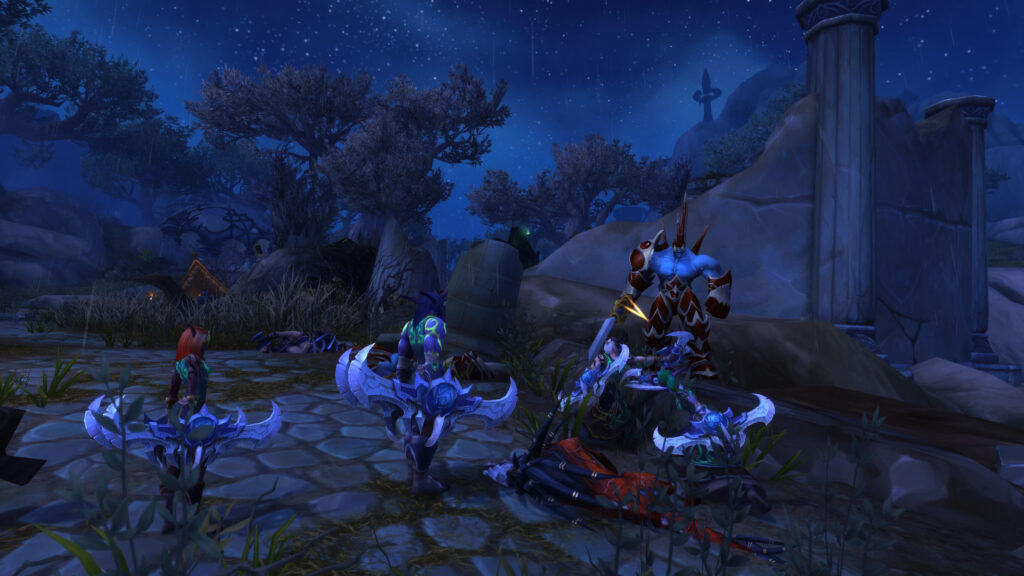
This redundancy through diversity improves consistency across long sessions.
Conclusion
Class utility distribution encourages diverse group archetypes by offering multiple solutions to the same challenges.
Modern group success comes from synergy and adaptability rather than strict class stacking.
Leave a Reply