
Introduction: The Evolution of Player Customization
Since its launch in 2004, World of Warcraft (WoW) has undergone several major changes to its talent tree system. What began as a complex web of skill choices in Vanilla WoW has transformed over the years to fit Blizzard’s evolving philosophy on gameplay balance, accessibility, and specialization.

Talent trees have always been a core part of WoW’s identity, offering players the ability to customize their characters to suit their playstyles. However, each expansion has brought adjustments—some small, some drastic—that have redefined how players interact with talents.
In this article, we’ll explore how WoW’s talent trees have changed from Classic to modern expansions, analyzing the key shifts in design and their impact on gameplay.
Vanilla WoW: The Birth of Talent Trees
WoW’s original talent system was inspired by classic RPG mechanics, featuring three distinct trees for each class. Players earned a talent point every level from 10 to 60, allowing them to distribute their points across different skill trees.
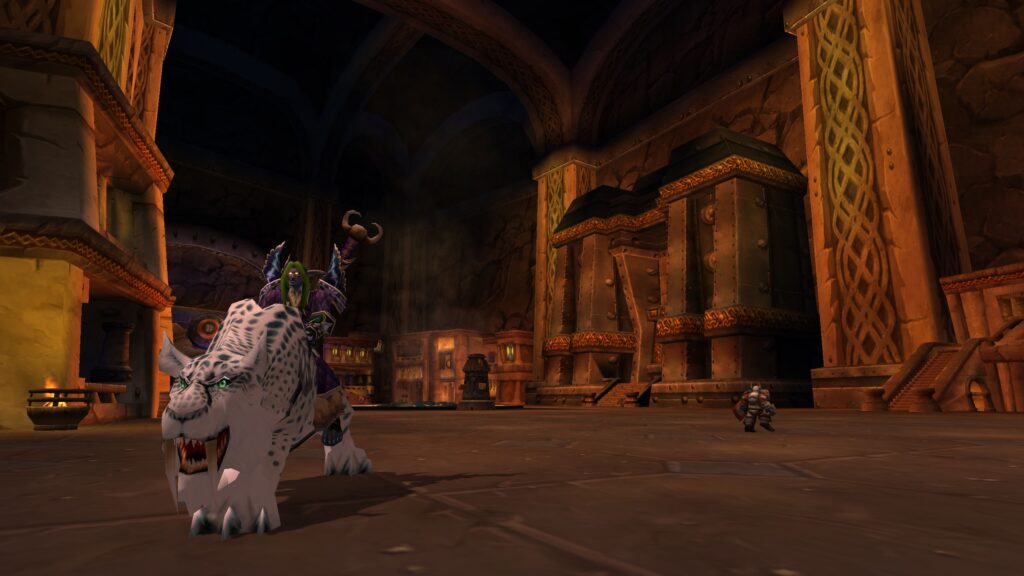
Key features of the Vanilla talent system:
- Three trees per class, such as Arms, Fury, and Protection for Warriors.
- Talents included passive stat bonuses, new abilities, and improvements to core skills.
- Hybrid builds were possible, allowing players to dip into multiple trees for unique playstyles.
- Respeccing was costly, requiring gold and a visit to a class trainer.
Impact: While this system offered deep customization, it also had issues. Some talent choices were mandatory for optimal performance, leading to “cookie-cutter” builds that limited creativity. Some talent trees, like early Feral Druid or Survival Hunter, were also severely underpowered compared to others.
The Burning Crusade & Wrath of the Lich King: Refining the System
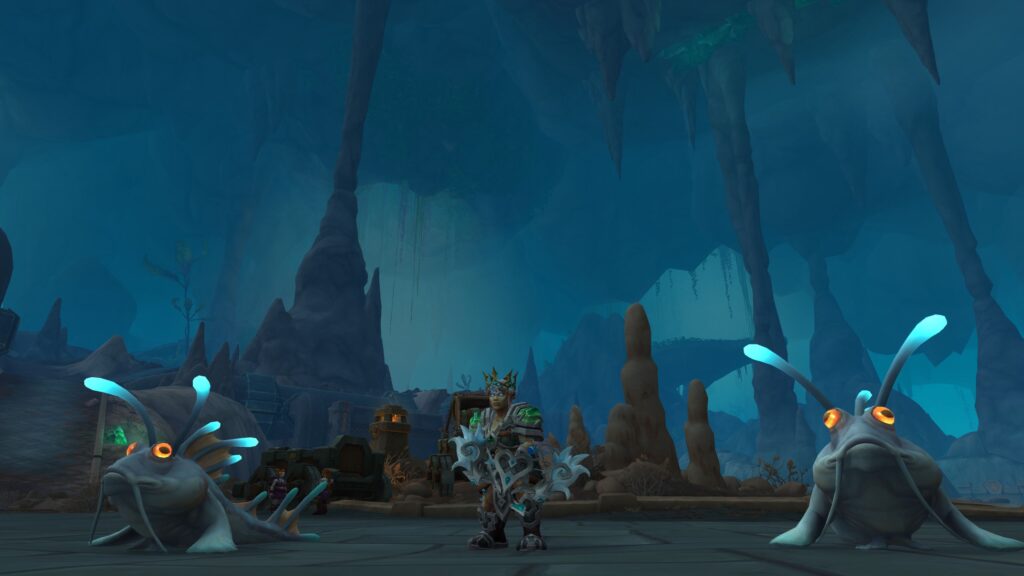
With the release of The Burning Crusade (2007) and Wrath of the Lich King (2008), Blizzard refined the talent trees while keeping the fundamental design intact.
Key Changes:
- Each tree was expanded to 71 points in Wrath, with 51-point capstone talents.
- New abilities were added, making each specialization more distinct.
- Death Knights, introduced in Wrath, had unique talent trees with rune-based abilities.
Impact: These refinements made talent trees feel more rewarding, but also introduced balance challenges. Hybrid builds were still viable, but Blizzard struggled to balance them against full specialization builds.
Cataclysm: The First Major Talent Tree Overhaul
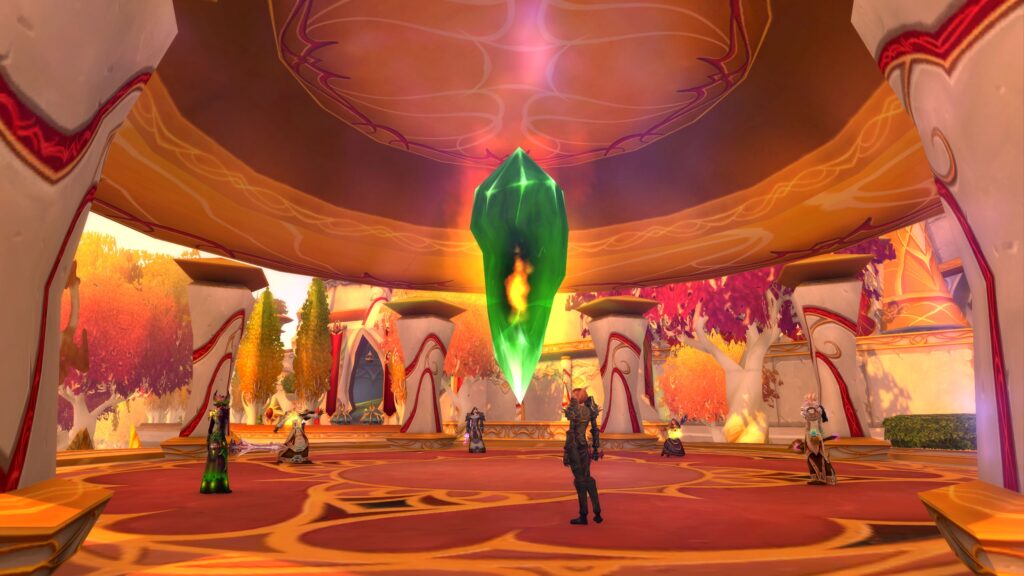
Cataclysm (2010) marked the first significant restructuring of talent trees, aiming to address issues of complexity and underwhelming choices.
Key Changes:
- Players had to choose a specialization at level 10, locking them into one tree.
- Talent trees were shrunk from 71 to 41 points, reducing “filler” talents.
- Players could no longer freely mix talents from different trees early on.
- More impactful talents were introduced, making each choice more meaningful.
Home
Leave a Reply